Introduction
- The rise of wireless audio and Bluetooth integration in home systems
- Why Bluetooth home stereo systems are more relevant than ever
- Who this guide is for (music lovers, casual listeners, tech-savvy users)
What Is a Bluetooth Home Stereo System?
- Definition and key components
- Difference between Bluetooth speakers and stereo systems with Bluetooth
- How Bluetooth fits into traditional and modern home audio setups
How Bluetooth Works in Home Audio
- Bluetooth transmission and codecs (SBC, AAC, aptX, LDAC)
- Connection ranges and limitations
- One-way vs. two-way Bluetooth: sending vs. receiving
Types of Bluetooth Stereo Setups for Home
- 1. Powered stereo speakers with Bluetooth
- 2. Traditional stereo systems with Bluetooth receivers
- 3. AV receivers with built-in Bluetooth
- 4. All-in-one wireless music systems (e.g., smart speakers)
- 5. Turntables with Bluetooth output
Bluetooth Receivers and Adapters: Upgrade Any System
- What they are and how they work
- Best options for connecting old-school gear
- Bluetooth transmitters for TV or turntables
Pros and Cons of Bluetooth for Home Stereo
- Pros: Easy connectivity, universal compatibility, affordability
- Cons: Compression loss, limited range, interference
Bluetooth vs. Wi-Fi Audio: What’s the Difference?
- Audio quality, multi-room support, range, and stability
- When to choose Bluetooth over Wi-Fi or vice versa
Best Uses for Bluetooth Home Stereo Systems
- Streaming music from smartphones and tablets
- Casual listening in bedrooms, offices, kitchens
- Parties and backyard sound setups
- Turntable-to-speaker streaming
Top Features to Look For in a Bluetooth Home Stereo
- Bluetooth version (5.0+ preferred)
- Codecs supported (aptX, AAC, LDAC)
- Range and latency
- Multi-device pairing
- Compatibility with voice assistants and smart TVs
Best Bluetooth Home Stereo Options for 2025
- 1. Edifier R1700BTs (Bookshelf speakers)
- 2. Yamaha R-S202 Stereo Receiver
- 3. Sony CMT-SBT100 Micro System
- 4. Denon D-M41 Hi-Fi Mini System
- 5. Audioengine A5+ Wireless Speakers
Adding Bluetooth to a Turntable or Vinyl Setup
- How Bluetooth turntables work
- Using Bluetooth transmitters for analog gear
- Best speakers to pair with a Bluetooth turntable
Setting Up Your Bluetooth Stereo System
- Step-by-step pairing process
- Tips for avoiding dropouts and interference
- Best placement for Bluetooth range and sound
Common Issues and How to Fix Them
- Audio lag
- Connection drops
- Interference from other devices
- Poor sound quality troubleshooting
Is Bluetooth Good Enough for Audiophiles?
- Can Bluetooth deliver hi-fi sound?
- How aptX and LDAC close the quality gap
- When wired might still be better
Future of Bluetooth in Home Audio
- Bluetooth LE Audio and the next generation
- Integration with smart home systems
- Potential for multi-point, higher-fidelity wireless
Conclusion
- Recap of Bluetooth stereo benefits
- Who should consider going wireless
- Final thoughts on building a simple, modern Bluetooth home audio system
FAQs
- Can I add Bluetooth to my old stereo system?
- What’s the range of Bluetooth home audio?
- Does Bluetooth affect sound quality?
- Can I connect Bluetooth headphones to a stereo receiver?
- Is Bluetooth or Wi-Fi better for whole-home music?
Bluetooth Home Stereo Systems : Introduction
Let’s face it—wires are a pain. And when it comes to listening to music in your home, you probably just want to press play on your phone and hear your favorite tunes fill the room. That’s exactly where Bluetooth home stereo systems come in. Whether you’re a vinyl enthusiast looking to modernize your setup, or someone who just wants easy, wireless music, Bluetooth is the key to convenience.
In the past, setting up a home stereo meant dealing with speaker wire, RCA cables, and figuring out how to connect your phone or laptop. Now? Just pair and play. In this comprehensive guide, we’ll walk you through what Bluetooth stereo systems are, how they work, the best products under various budgets, and how to upgrade your existing setup—no matter how old it is.
What Is a Bluetooth Home Stereo System?
At its core, a Bluetooth home stereo system is any audio system that can wirelessly receive a signal via Bluetooth and play it through connected speakers. That includes:
- Stereo receivers with Bluetooth built-in
- Powered speakers with Bluetooth
- Compact all-in-one systems
- Turntables with Bluetooth
- Old-school systems using Bluetooth adapters
These setups allow you to stream music directly from your smartphone, tablet, laptop, or even smart TV, all without needing physical cables. The key is Bluetooth integration, which turns any audio system into a modern wireless solution.
How Bluetooth Works in Home Audio
Bluetooth is a short-range wireless technology that transmits audio from a source (like your phone) to a receiver (like a speaker or amp). It’s simple to use but comes with some technical considerations:
- Audio Codecs: These affect quality. Basic SBC is standard, but higher-end systems support AAC (Apple), aptX (Android/Windows), or LDAC (Sony) for improved clarity.
- Range: Typically 30 feet indoors, depending on interference and walls.
- One-Way or Two-Way: Some systems only receive Bluetooth; others can send it too, useful for streaming your TV audio to Bluetooth headphones.
In short, Bluetooth is universal, convenient, and works across nearly every device you own.
Types of Bluetooth Stereo Setups for Home
There are several ways to enjoy Bluetooth audio at home. Let’s break down your options:
1. Powered Stereo Speakers with Bluetooth
These are self-powered speakers (no external amp needed) that include Bluetooth. Great for desktops, small rooms, or casual listening.
Examples:
- Edifier R1280DB
- Audioengine A5+ Wireless
- Kanto YU6
2. Traditional Stereo Systems with Bluetooth Receivers
Have a great vintage amp or receiver? Don’t toss it. Just add a Bluetooth receiver (like iFi Zen Blue or Audioengine B1), and it’s wireless-ready.
Best for: Audiophiles who love analog sound but want Bluetooth convenience.
3. AV Receivers with Built-In Bluetooth
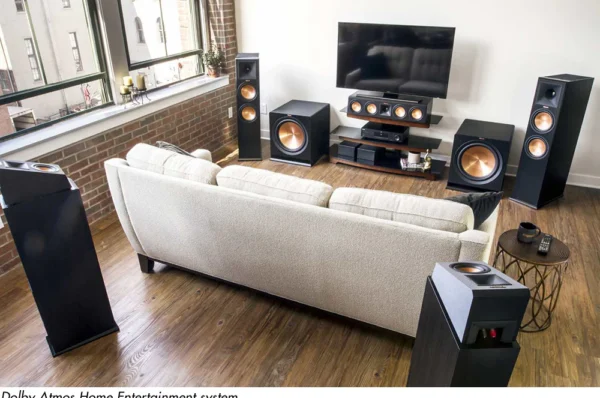
Modern AV receivers often include Bluetooth as standard. You can stream directly from your phone, and even send audio to Bluetooth headphones on some models.
Best for: Home theaters, multi-room setups, and TV-connected systems.
4. All-in-One Wireless Music Systems
These combine Bluetooth, Wi-Fi, amps, and speakers in one sleek box. Think Sonos, Denon Home, or Bose Smart Speakers.
Best for: Simple setups with powerful sound and voice control.
5. Turntables with Bluetooth Output
Yes, even vinyl is going wireless. Bluetooth-enabled turntables can send your records to any Bluetooth speaker or soundbar.
Examples:
- Audio-Technica AT-LP60XBT
- Sony PS-LX310BT
Bluetooth Receivers and Adapters: Upgrade Any System
You don’t need to buy a whole new system to go wireless. A Bluetooth receiver or adapter adds streaming capability to older gear.
How it works:
- Connect to an AUX, RCA, or optical input
- Pair your phone
- Stream wirelessly
Top picks:
- iFi Zen Blue V2 (Hi-Fi audio with aptX HD, LDAC)
- Audioengine B1
- Auris Blume HD
Want to go the other way and send Bluetooth from your turntable or TV? Use a Bluetooth transmitter.
Pros and Cons of Bluetooth for Home Stereo
Let’s be honest—Bluetooth has its trade-offs.
Pros:
- Easy to use and pair
- Works with virtually all phones and devices
- No Wi-Fi or network setup required
- Affordable to add to existing systems
Cons:
- Limited range (usually 30 feet)
- Compressed audio (unless using aptX/LDAC)
- Potential interference in busy wireless environments
- No multi-room syncing (unless using proprietary systems)
Still, for 95% of listeners, Bluetooth audio is more than good enough.
Bluetooth vs. Wi-Fi Audio: What’s the Difference?
| Feature | Bluetooth | Wi-Fi Audio |
|---|---|---|
| Range | ~30 feet | Whole home (via router) |
| Audio Quality | Good (with aptX/LDAC) | Higher, lossless capable |
| Multi-Room | No | Yes |
| Setup | Instant pairing | Requires apps/accounts |
| Streaming | Direct from device | Streams over network |
Choose Bluetooth for simplicity and flexibility.
Choose Wi-Fi (Sonos, HEOS, etc.) for whole-home audio and audiophile-level quality.
Best Uses for Bluetooth Home Stereo Systems
- Streaming music from your phone (Spotify, Apple Music, TIDAL)
- Laptop to speaker in a home office
- Bedroom or kitchen music with compact Bluetooth speakers
- Backyard sound during BBQs or parties
- Connecting Bluetooth-enabled turntables to powered speakers
Bluetooth makes music portable and effortless.
Top Features to Look For in a Bluetooth Home Stereo
- Bluetooth 5.0 or newer – Better range and stability
- Support for advanced codecs – Especially aptX, aptX HD, AAC, or LDAC
- Multiple inputs – So you can switch between Bluetooth and wired
- Built-in subwoofer or sub out – For deeper bass
- Smart assistant support – Optional voice control (Alexa, Google)
Best Bluetooth Home Stereo Options for 2025
- Edifier R1700BTs ($199): Excellent powered bookshelf speakers with Bluetooth 5.0 and optical input
- Yamaha R-S202BL ($179): Classic stereo receiver with Bluetooth streaming
- Sony CMT-SBT100 ($229): Compact micro Hi-Fi system with CD, FM, and Bluetooth
- Denon D-M41 ($399): Mini Hi-Fi with Bluetooth, optical in, and rich sound
- Audioengine A5+ Wireless ($469): High-performance wireless speakers with aptX HD support
Adding Bluetooth to a Turntable or Vinyl Setup
Turntables with built-in Bluetooth transmitters let you play vinyl through wireless speakers. Some audiophiles cringe, but for convenience, it’s a game-changer.
Don’t have Bluetooth built in? Use a Bluetooth transmitter, like the TaoTronics TT-BA07, connected to your turntable’s preamp.
Setting Up Your Bluetooth Stereo System
- Plug in your receiver/speaker
- Put it in Bluetooth pairing mode
- On your phone, scan for devices and tap to connect
- Adjust volume and EQ
- Enjoy your music wirelessly!
Tips:
- Keep devices within line-of-sight
- Avoid microwaves and thick walls
- Restart both devices if pairing fails
Common Issues and How to Fix Them
- Audio lag: Common with TV audio. Use aptX Low Latency or wired connection.
- Dropouts: Caused by range or interference. Move closer or reduce Wi-Fi overlap.
- No sound: Check input source and volume. Re-pair devices if needed.
- Poor quality: Switch codec or use higher-quality Bluetooth adapter.
Is Bluetooth Good Enough for Audiophiles?
It’s getting there. With aptX HD and LDAC, Bluetooth audio has improved massively. Still, for critical listening, wired or Wi-Fi streaming remains superior.
But for convenience? Bluetooth wins every time.
Future of Bluetooth in Home Audio
Bluetooth LE Audio and new LC3 codecs are bringing:
- Better battery life
- Improved audio quality
- Multi-stream support (for sharing audio to multiple devices)
Expect more smart home integration, better multi-room support, and lossless Bluetooth in the near future.
Conclusion
Bluetooth has changed the way we listen to music. Whether you’re upgrading an old system or building a new one from scratch, Bluetooth home stereo systems offer unbeatable simplicity and flexibility. With just a small investment, you can cut the cords, stream your favorite playlists, and enjoy rich, room-filling sound—wirelessly.
It’s easy, it’s affordable, and it’s here to stay. Go wireless—you won’t look back.
FAQs
1. Can I add Bluetooth to my old stereo system?
Yes! Use a Bluetooth adapter or receiver with an AUX or RCA input.
2. What’s the range of Bluetooth home audio?
Typically 30 feet indoors, more with Bluetooth 5.0 and fewer obstructions.
3. Does Bluetooth affect sound quality?
A little, but advanced codecs like aptX and LDAC preserve excellent fidelity.
4. Can I connect Bluetooth headphones to a stereo receiver?
Only if the receiver supports Bluetooth output, not just input.
5. Is Bluetooth or Wi-Fi better for whole-home music?
Wi-Fi is better for multi-room and high-resolution audio. Bluetooth is better for simplicity and flexibility.